
The same migrations kept failing for the same reason
Practical Data Migration was built on two decades of project delivery - not in a workshop but on real programmes where the same failures kept happening for the same structural reasons.


A symbol of purposeful migration
Geese are the natural world's symbol of migration - thousands of kilometres travelled with precision and teamwork, always toward better conditions. That is PDM in one image: a purposeful transition from old to new, not random movement. And there are two of them, flying together and sharing the lead - because a migration is one virtual team, the business and the technologists making the journey side by side.
A methodology built over three editions
Practical Data Migration has evolved continuously since 2006, each edition reflecting how the industry has matured, not a change in core principles.
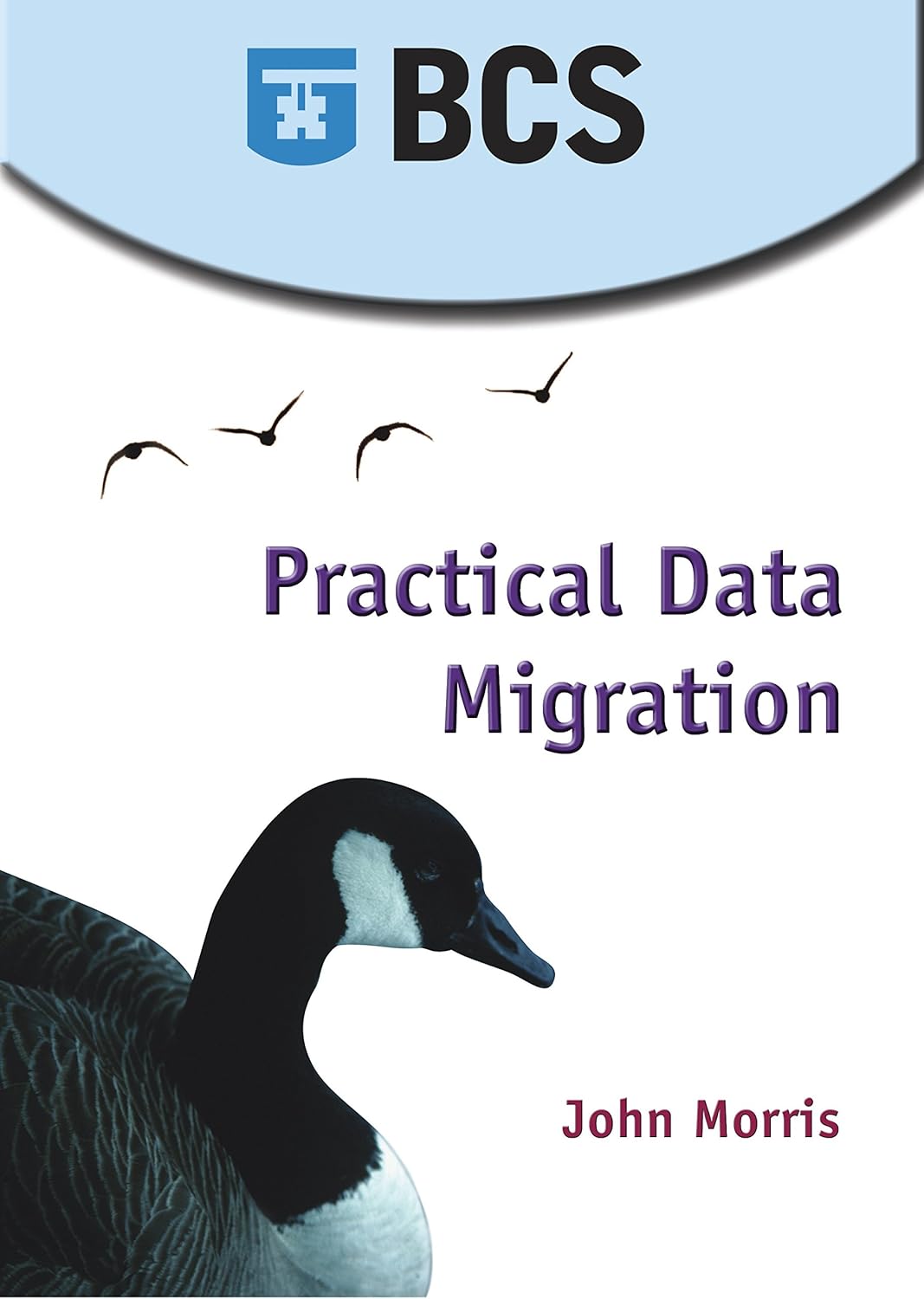
PDMv1 - the first edition
Published by the British Computer Society, PDMv1 introduced the four Golden Rules, the Responsibility Gap, and the core module structure that guides practitioners from landscape analysis through to decommissioning. It was the first vendor-neutral methodology for enterprise data migration.
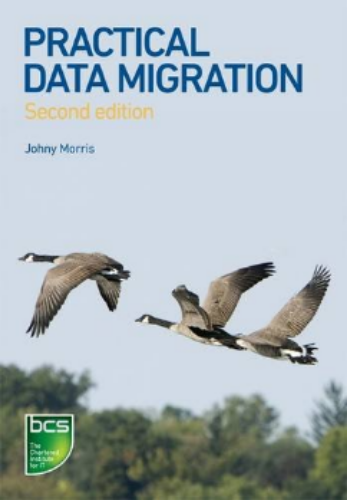
PDMv2 - refined and extended
Six years of additional practice and the growing maturity of the data migration market shaped the second edition. The Golden Rules remained unchanged. The module guidance was refined with richer real-world examples and sharper guidance on stakeholder management and governance.
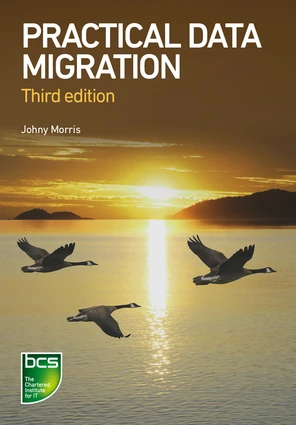
PDMv3 - the current standard
The third edition reflects a decade of technological change - cloud migration, Agile working, the explosion of migration tooling - and the further maturation of the services market. New chapters address how PDM modules operate as service objects within Agile programmes. The four Golden Rules have not moved an inch.
Data Migration Matters
Alongside the book, Johny Morris has been a driving force behindData Migration Matters - the only European conference exclusively devoted to data migration. Running for over a decade, it has brought together practitioners, executives, and researchers to share experience, debate emerging practice, and build the community around a discipline that the broader industry has long underserved.
The conference reflects the same conviction that underpins PDM: data migration is a distinct discipline, not a subset of something else, and it deserves its own body of knowledge, its own community, and its own professional standards.
PDM is becoming community-led
The PDM framework has been stewarded by its creator, Johny Morris, since 2006. That is changing. PDM is transitioning into a formal, independent, community-governed organisation, owned by the practitioners who use it.
Why the change
A methodology that depends on one person is fragile. The framework should outlast any individual, and its direction should be shaped by the community that applies it on real projects. Separating PDM from any single company or consultant removes the perception of commercial bias and gives the framework the independence it needs to be trusted across the industry.
What is transferring
The PDM methodology, artefact templates, the PDM and DMM brands, the training standards, the community platforms, and both websites will all be owned by the new organisation. The book remains with BCS and Johny Morris. Commercial training delivery stays with accredited partners.
How it will be governed
The organisation will be a Company Limited by Guarantee, the standard UK structure for professional bodies. An elected board of practitioners will govern the framework. Johny retains a permanent board seat with narrow veto rights to protect the founding principles, but operational decisions belong to the elected board and the membership.
Below the board, six subcommittees drive the day-to-day work:
- Methodology and Course Content: maintains the PDM framework, reviews updates, and oversees academy course material.
- Events: organises Data Migration Matters and any future PDM events.
- Marketing: manages communications, outreach, and brand presence.
- Infrastructure: runs the websites, academy platform, and technical systems.
- Memberships: manages practitioner onboarding, listings, and the community directory.
- Policies and Approvals: handles software certification, practitioner certification, accreditation, and governance policies.
The principles
Community owned, community led. Vendor neutral and independent. The core framework stays freely available, not paywalled. The organisation focuses solely on data migration. It complements bodies like DAMA, PMI, and BCS rather than competing with them.
The transition is underway. If you want to be part of shaping the future of data migration as a discipline, now is the time to get involved.
Published by the British Computer Society

Practical Data Migration is published by BCS, The Chartered Institute for IT - the professional body for computing in the UK. BCS publishes peer-reviewed practitioner and academic computing texts; inclusion in that catalogue reflects the rigour and independence of the methodology.
The book is available from the BCS bookshop, Amazon, and Waterstones. ISBN: 978-1-78017-514-0.
See all purchase optionsLearn the methodology
The PDM Academy online course takes you through the methodology with the DHGS case study running throughout - free to start.
View the courseJoin the community
PDM-certified practitioners are invited to join the community of practitioners - sharing experience and promoting their expertise.
Practitioners directoryRead the book
The third edition covers all nine modules in full depth, with guidance for both practitioners and executives.
About the book